Compare a backpack, soft duffel, and wheeled case around transfers and packing habits.
In this story
Start with the everyday situationMake the tradeoff deliberatelyCompare the bag with a realistic loadThe evening-before checklistCommon planning questionsWhere to compare optionsA travel bag should fit the journey between home and the accommodation, including the least convenient part. A case that rolls beautifully through an airport may be awkward on stairs. A backpack frees your hands but asks your shoulders to carry every extra item. Start with the route rather than the color.
Start with the everyday situation
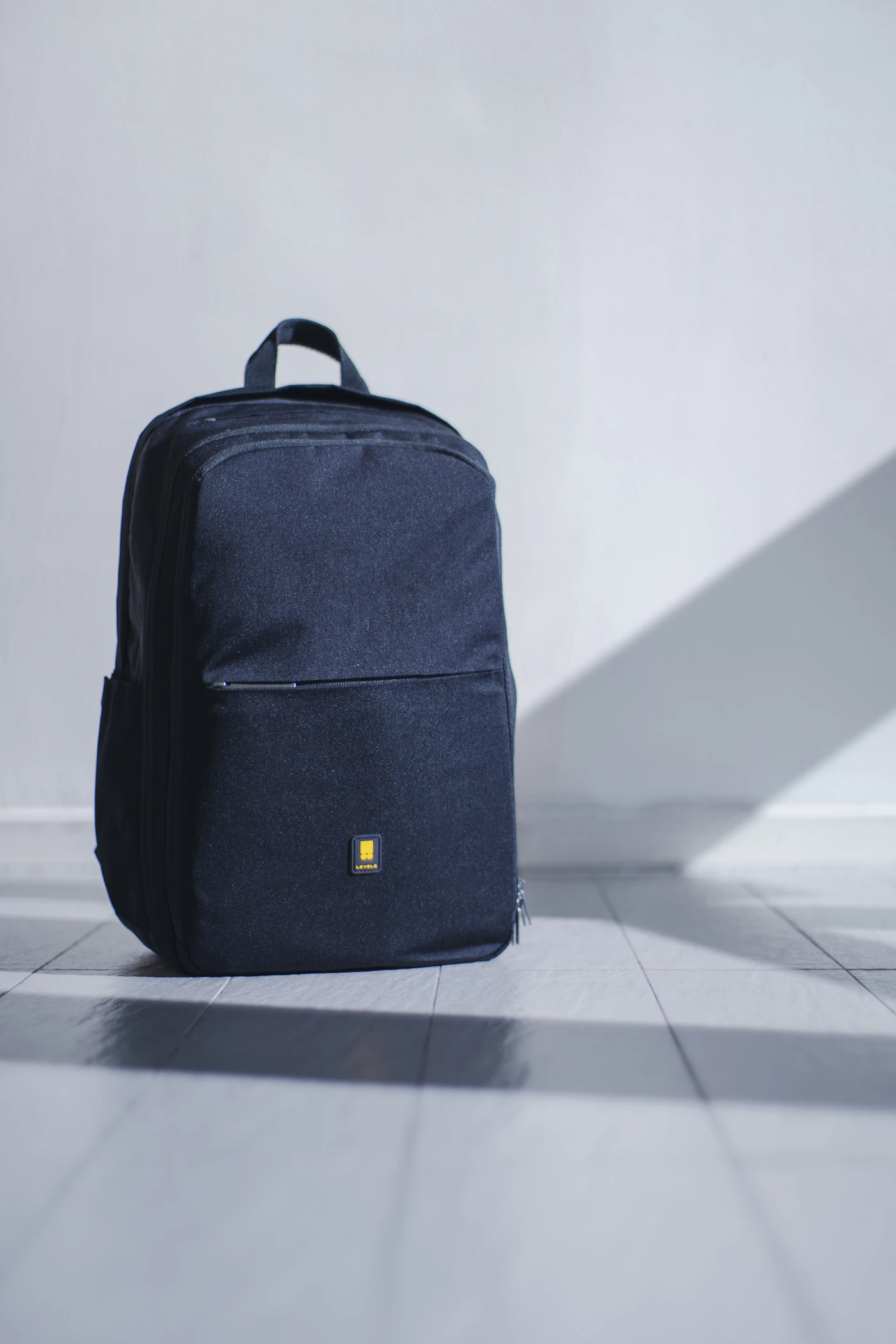
For frequent station changes and short trips, a backpack can keep movement simple. Try it with a realistic load and check strap adjustment, back length, and access to essentials. A padded laptop compartment is useful only if you travel with a laptop; otherwise it may take space away from clothing.
A soft duffel can fit into a car or a small room easily, but carrying it on one side becomes tiring over distance. Compare handles, shoulder straps, and opening size. A wide opening helps you see clothing, while separate compartments can keep shoes away from clean items. Extra pockets also add weight.
Make the tradeoff deliberately
A wheeled case suits smooth surfaces and a heavier load. Check the empty weight, handle adjustment, and the space needed to open it fully. Split-shell designs can take up floor space in a small room. Airline size and weight rules vary, so confirm the allowance for the exact ticket and carrier.
Before buying, pack your typical trip into a bag you already own. Notice whether the problem is capacity, organization, or carrying comfort. Packing cubes may help the second problem without solving the others. Choose the smallest bag that handles your regular needs comfortably, with some room for the journey home.
Compare the bag with a realistic load
A bag’s empty weight affects how much you can carry comfortably and how much allowance remains on a service with weight limits. Check the published specification and compare similar sizes. More compartments and rigid structures can improve organization while making the bag heavier before packing begins.
Zippers and handles should remain easy to operate when the bag is filled. An expandable section can provide flexibility, but it can also make the packed bag exceed an operator’s permitted size. Measure the configuration you intend to use rather than relying on a generic cabin-bag label.
For a backpack, test the shoulder straps and any waist or chest adjustment with ordinary trip contents. A comfortable empty bag tells you little about carrying it across a station. Follow the fitting guidance and consider whether you can reach tickets without removing everything.
Check repair options and warranty terms directly with the seller or manufacturer rather than assuming lifetime coverage. Wheels, handles, and zippers are especially relevant on a case. A simple bag with replaceable parts may suit frequent use better than a complicated design with no clear repair route.
The evening-before checklist
- Recheck the forecast and adjust the outer layer accordingly.
- Confirm arrival instructions and the final route to your accommodation.
- Save reservations and essential contact information offline.
- Check baggage rules for the exact service you will use.
- Leave a flexible block in the plan instead of filling every hour.
Common planning questions
Is a wheeled case easier than a backpack?
On smooth surfaces it can reduce carrying, but stairs and uneven routes change the comparison. A backpack leaves hands free while shifting the load to your body. Choose by the hardest part of your usual journey and test a realistic weight before deciding.
Is the cheapest option always the best value?
Compare the full cost and the time involved. Additional transfers, baggage charges, or a restrictive cancellation policy can change the calculation. A convenient choice may be worth more for a very short visit, while a longer stay can justify traveling farther for a lower accommodation cost.
What makes a trip feel less hurried?
Group activities geographically, choose one priority for each part of the day, and protect time for meals and rest. You can keep a list of optional stops without committing to all of them. Returning home with a few places still unexplored is a reasonable outcome, not a planning failure.
Where to compare options
Use the Patagonia bags and luggage as one starting point for comparing current options. Check each item’s measurements, care guidance, delivery, and return terms before buying. This is an ordinary, untracked retailer link, rather than an affiliate recommendation or evidence of hands-on testing.
Our guides explain how to choose, rather than claim hands-on tests. Check current product details, returns and travel conditions directly before booking or buying. Our editorial approach.