Plan repeatable outfits with layers that suit commuting and changing temperatures.
In this story
Start with the everyday situationMake the tradeoff deliberatelyCompare workwear by a full working dayA useful fitting-room checklistCommon wardrobe questionsWhere to compare optionsReturning to office days can reveal a wardrobe full of separate pieces with few easy combinations. A useful capsule starts with your actual dress code, commute, and laundry schedule. The aim is to reduce morning decisions while leaving enough variety that the outfits feel like yours.
Start with the everyday situation
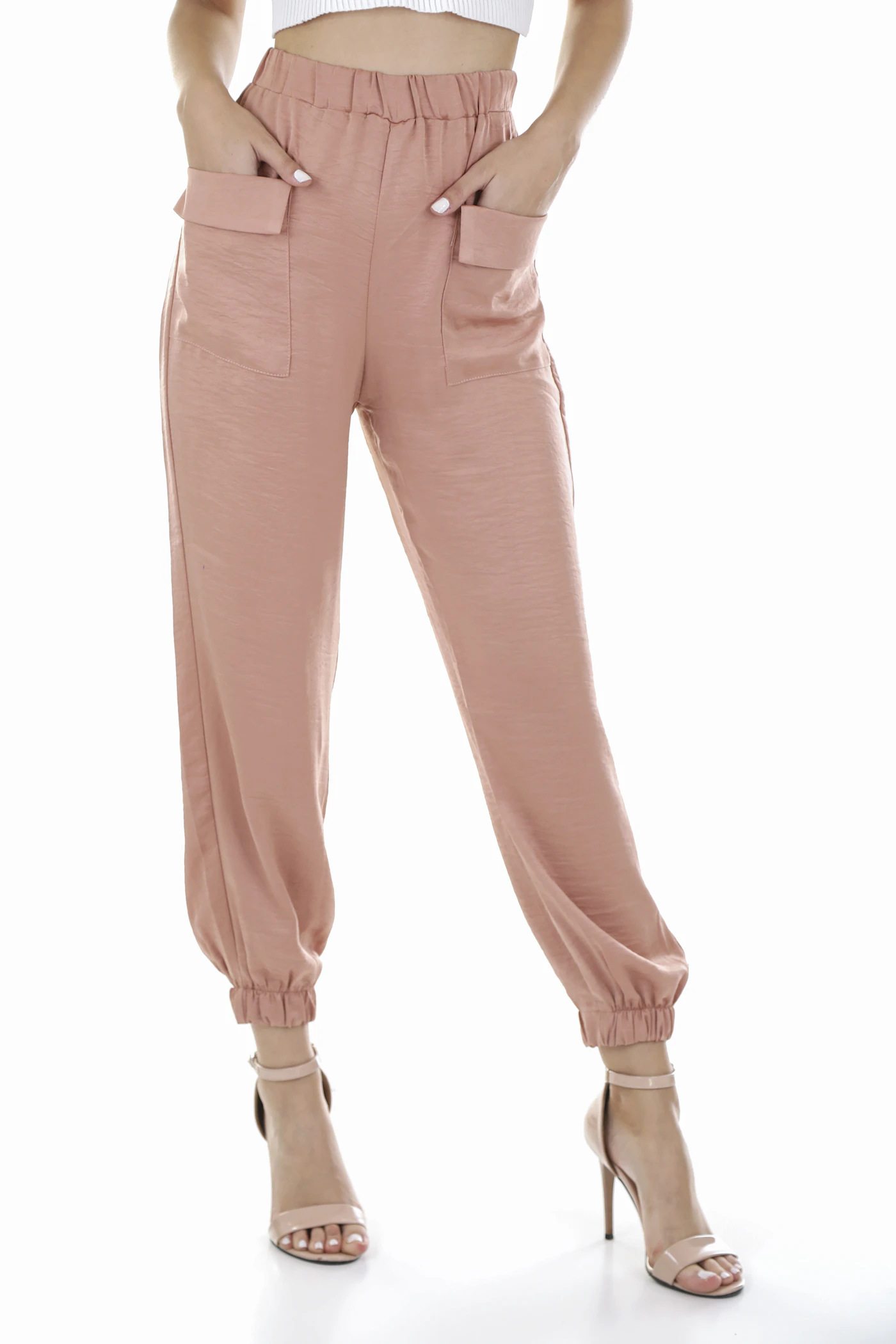
Choose two bottoms you can sit in comfortably for several hours. One might be a tailored trouser and the other a skirt or another trouser silhouette. Check pocket bulk, waistband pressure, and hem length with the intended shoes. A piece that requires constant adjustment is unlikely to become a reliable foundation.
Add tops with necklines that work under the same outer layer. A fine knit, a shirt, and a simple blouse can cover several situations if their colors cooperate. Do a movement check: raise your arms, reach forward, and sit at a desk. Fit is more than how a garment hangs while standing.
Make the tradeoff deliberately
A blazer or structured cardigan can handle the temperature shift between a commute and an air-conditioned room. Choose enough ease for the thickest layer you plan to wear underneath. For dinner afterward, changing earrings or removing the outer layer may be more practical than carrying another complete outfit.
Keep a small maintenance kit with a suitable lint tool and any spare buttons supplied with the garments. Plan care costs into the budget. A lower-priced piece that needs frequent professional cleaning may be less convenient than a washable alternative with a slightly higher purchase price.
Compare workwear by a full working day
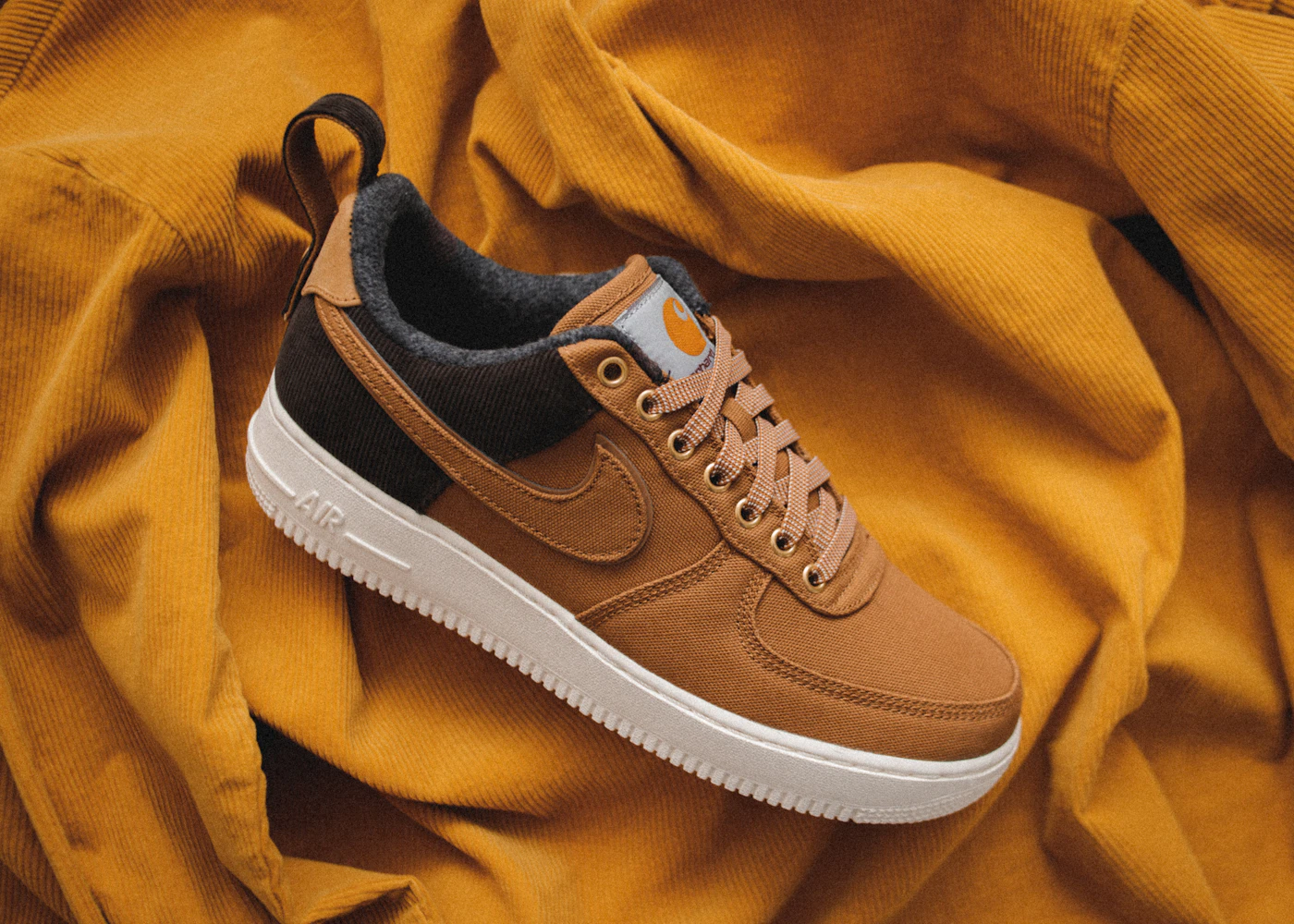
Start with the commute footwear and fit the trouser hem around it. A length that works only with a second pair of shoes adds complexity. If changing at the office is realistic, plan a place to keep that pair instead of carrying it back and forth unnecessarily.
Look for a jacket lining and sleeve width that allow your intended layers. A fitted blazer over a thin camisole can feel entirely different over a knit. Check the movement at the back and shoulders while reaching forward, not just the silhouette from the front.
Choose tops that work with the same underlayers and care routine where possible. An additional camisole or special bra can affect both cost and laundry. Check neckline depth while seated and whether shirt buttons remain secure in ordinary movement before declaring a piece office-ready.
For trousers, useful pockets and a comfortable waistband can matter more than a fashionable cut. Check whether the fabric returns to shape after sitting and consult the care label. If tailoring is needed, establish the likely cost and return conditions before removing tags or making alterations.
A useful fitting-room checklist
- Bring or wear the underlayers the garment actually needs.
- Compare the fit while moving as well as while standing still.
- Check closures, pockets, seams, and any lining.
- Confirm that care requirements fit your usual routine.
- Name three occasions when you would wear the piece this month.
Common wardrobe questions
How many office outfits do you need?
Base the number on office frequency and care turnaround. Three office days do not necessarily require three entirely separate looks if layers and bottoms can rotate. Leave enough time for washing, drying, or cleaning so the system does not depend on last-minute care.
When is it worth spending more?
Consider frequency of use, fit, construction, and repairability. A higher price is not proof of quality. Examine the details and compare care requirements. Spend more when a clear improvement matters to your daily use and the purchase fits your budget without relying on optimistic wear calculations.
How can an outfit feel personal?
Repeat a detail you enjoy: a particular color, a familiar silhouette, or a small accessory with meaning. You do not need a new trend for every outing. Keeping one recognizable element often makes practical clothes feel more intentional while allowing the rest of the outfit to adapt to the day.
Where to compare options
Use the Everlane clothing and accessory collections as one starting point for comparing current options. Check each item’s measurements, care guidance, delivery, and return terms before buying. This is an ordinary, untracked retailer link, rather than an affiliate recommendation or evidence of hands-on testing.
Our guides explain how to choose, rather than claim hands-on tests. Check current product details, returns and travel conditions directly before booking or buying. Our editorial approach.