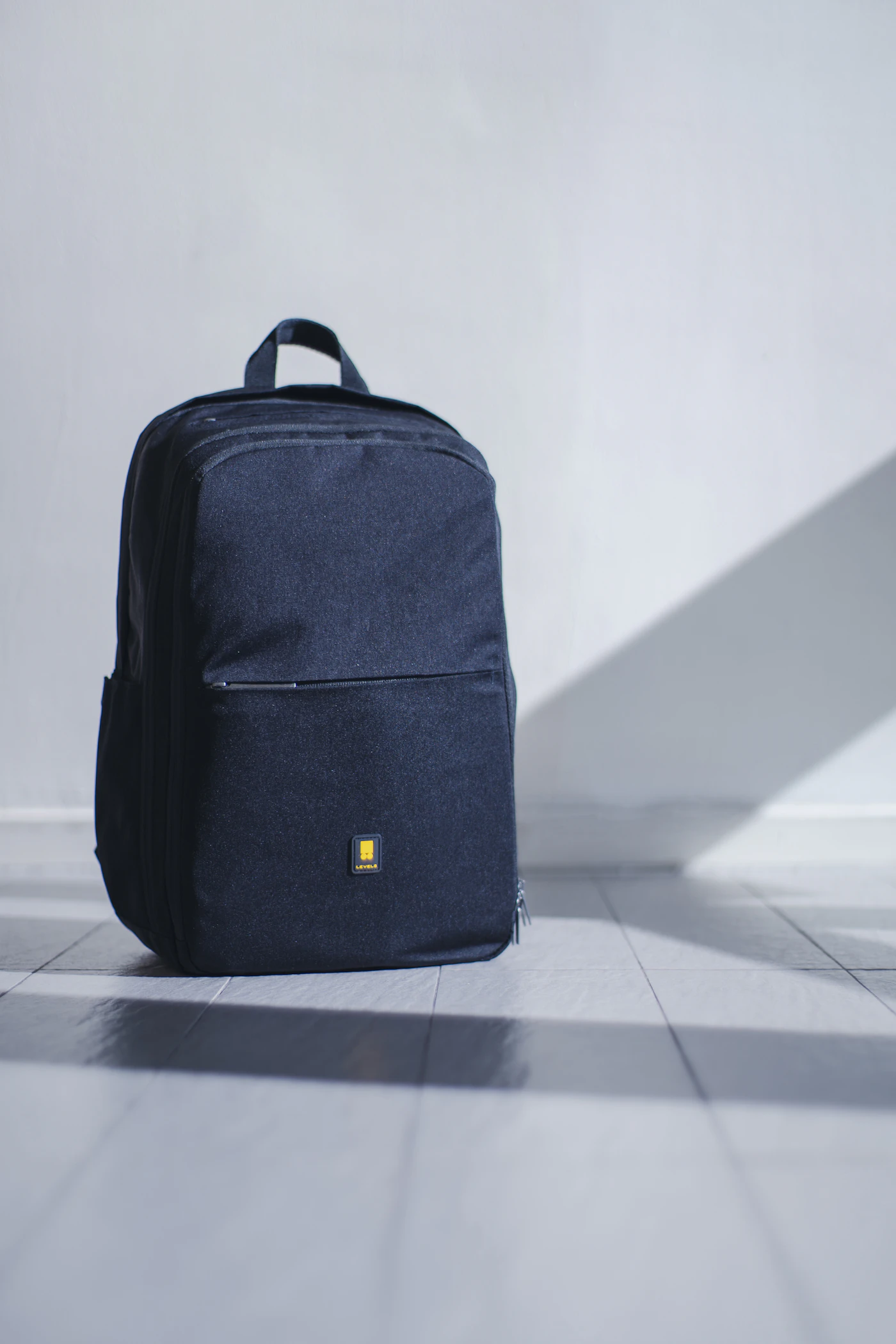
Pack a small set of clothes around weather, walking, and one nicer meal.
In this story
Start with the everyday situationMake the tradeoff deliberatelyMake each packed piece earn its spaceA useful fitting-room checklistCommon wardrobe questionsWhere to compare optionsPacking fewer clothes works when each piece has a clear relationship to the trip. A long weekend with train travel, walking, and one restaurant booking needs different choices from a beach break. List the planned activities first, then identify the outfit requirement you cannot easily improvise.
Start with the everyday situation
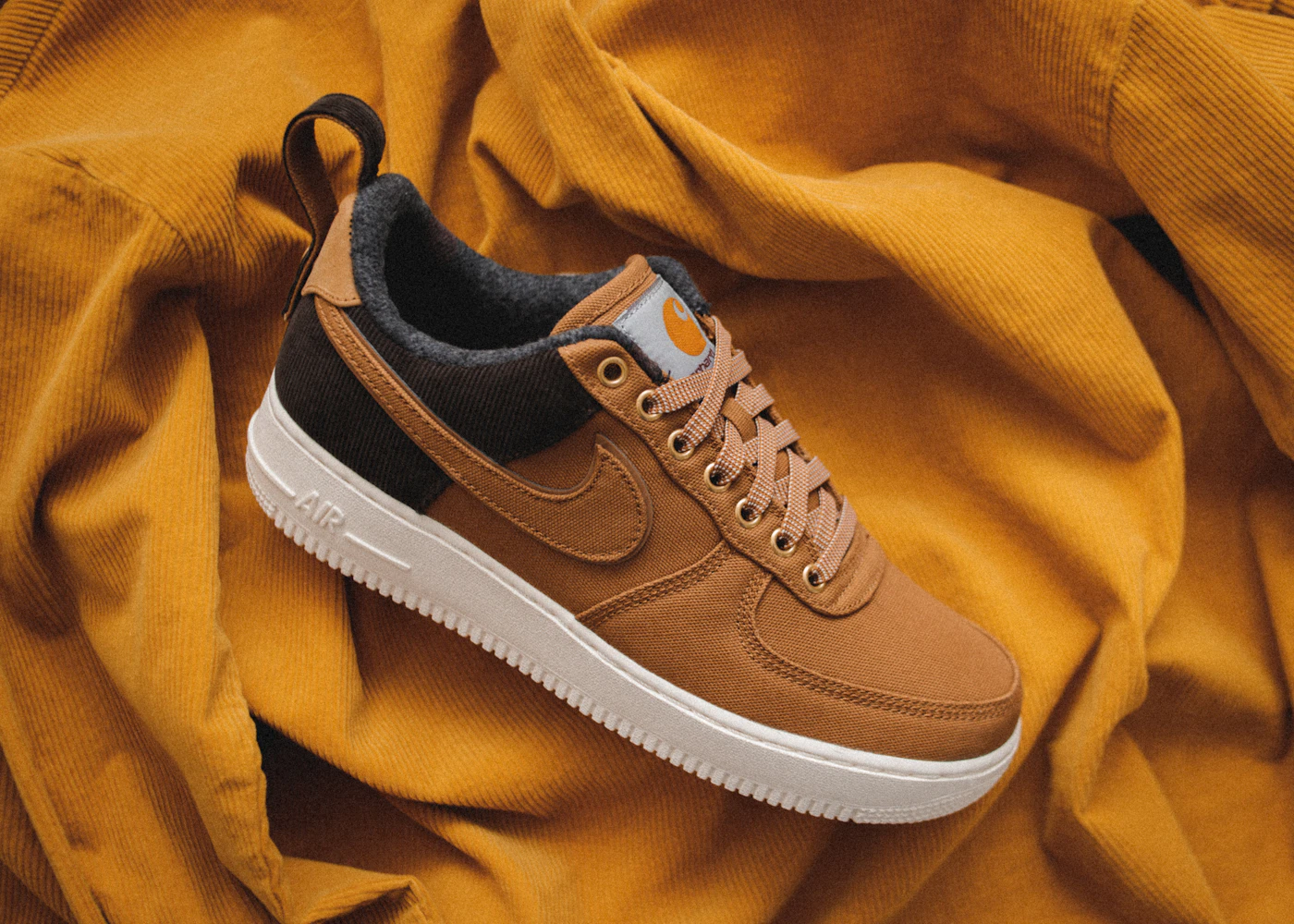
Wear the bulkiest comfortable shoes during transit and pack a second pair only if it serves a distinct purpose. A dressier flat may work for dinner, but it should earn the space rather than duplicate the walking shoe. Protect the clean clothes from soles with a washable shoe bag or separate compartment.
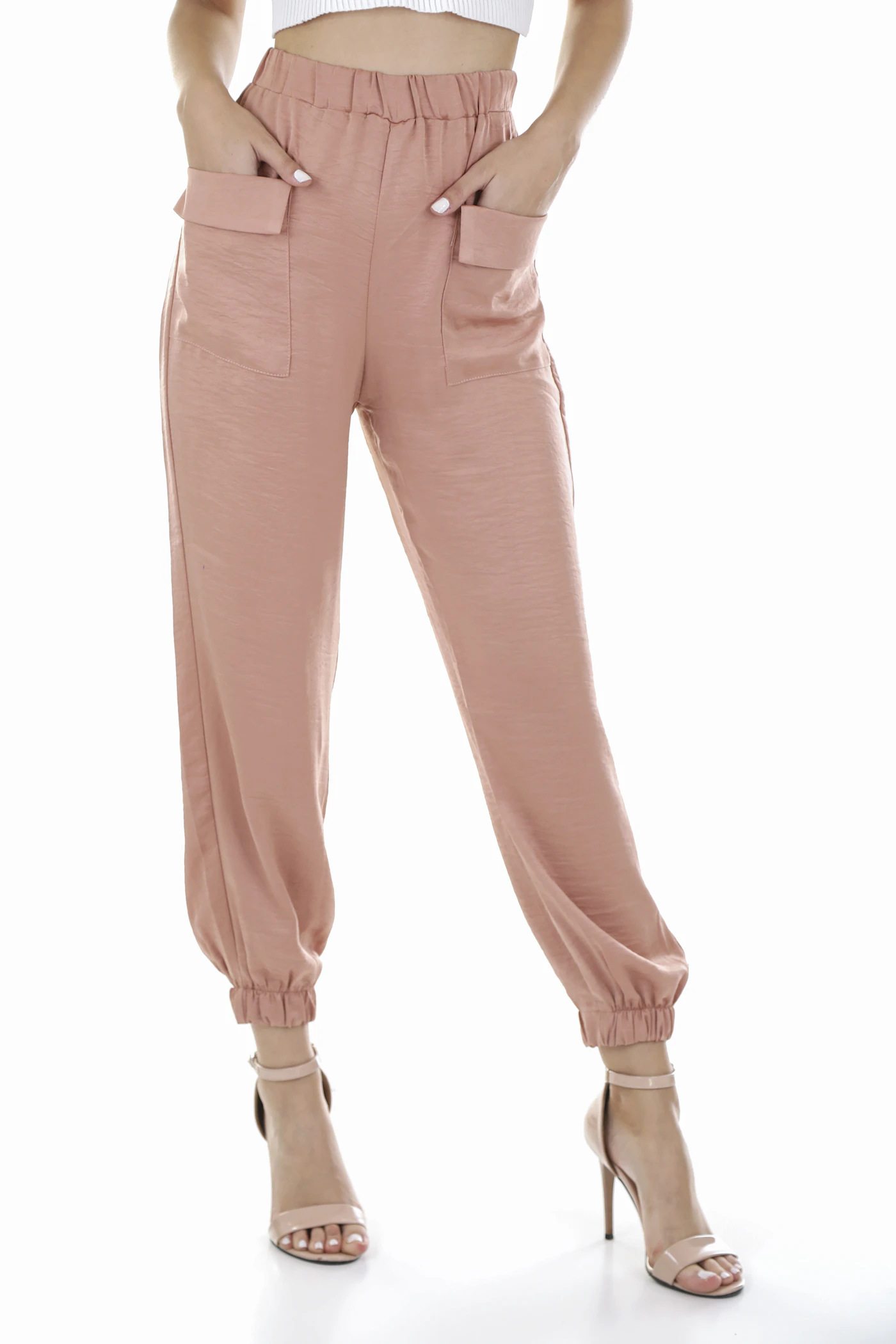
Choose a narrow color palette so tops and bottoms can change partners. Two bottoms and a few compatible tops can create variety without requiring an outfit for every photograph. Include the underlayers each top needs. A sheer blouse that demands an extra camisole uses more space than its hanger suggests.
Make the tradeoff deliberately
Pack a light layer that can fit over every intended top. Check the weather shortly before departure and adjust for the actual forecast. A compact umbrella or rain layer may be more useful than a second sweater, depending on the destination and season. Avoid treating a packing list as a fixed rule.
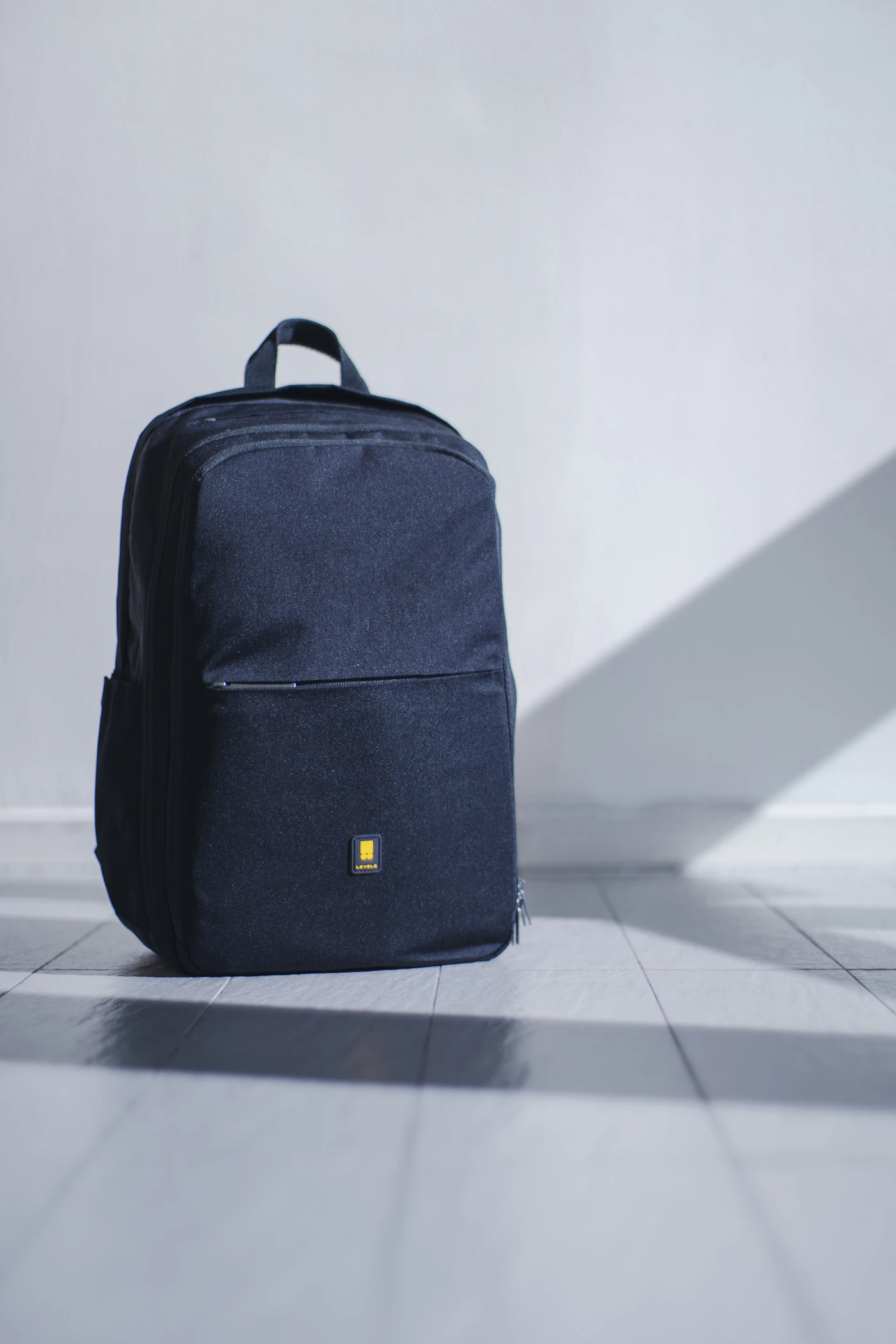
Try packing the bag before buying organizers. Cubes can group clothing, but they do not reduce the volume of every fabric and can add weight. Keep essentials you need during transit accessible. Leave a little room for the return journey, when clothing may not fold as neatly.
Make each packed piece earn its space
Start with the second pair of shoes because it can consume a surprising part of the bag. If it is only marginally different from the travel pair, leave it behind. If a booked activity requires it, choose clothing that makes that shoe work elsewhere too.
A layer should fit over every top and under any outer jacket you need. Try the combinations before packing so sleeves do not bunch and hems remain comfortable. Favor a familiar piece over a new garment that has not yet proved easy to wear for a full day.
Choose a packing cube by the internal space of your bag, not the largest set on offer. One cube for clothing and a smaller pouch for essentials may be enough. A rigid arrangement can waste space in a soft bag with curved or tapered corners.
A toiletry container should hold the amount needed for the trip and comply with the relevant transport rules. Check closures and separate items likely to leak. Do not decant something into an unlabeled bottle when its instructions or identification need to remain available.
A useful fitting-room checklist
- Bring or wear the underlayers the garment actually needs.
- Compare the fit while moving as well as while standing still.
- Check closures, pockets, seams, and any lining.
- Confirm that care requirements fit your usual routine.
- Name three occasions when you would wear the piece this month.
Common wardrobe questions
Is a second pair of shoes essential?
Only when it serves a distinct activity or a realistic backup need. Compare its packed size with its usefulness. For a short trip, a comfortable pair that works across several outfits can be more valuable than a different shoe for each day.
When is it worth spending more?
Consider frequency of use, fit, construction, and repairability. A higher price is not proof of quality. Examine the details and compare care requirements. Spend more when a clear improvement matters to your daily use and the purchase fits your budget without relying on optimistic wear calculations.
How can an outfit feel personal?
Repeat a detail you enjoy: a particular color, a familiar silhouette, or a small accessory with meaning. You do not need a new trend for every outing. Keeping one recognizable element often makes practical clothes feel more intentional while allowing the rest of the outfit to adapt to the day.
Where to compare options
Use the Patagonia bags and luggage as one starting point for comparing current options. Check each item’s measurements, care guidance, delivery, and return terms before buying. This is an ordinary, untracked retailer link, rather than an affiliate recommendation or evidence of hands-on testing.
Our guides explain how to choose, rather than claim hands-on tests. Check current product details, returns and travel conditions directly before booking or buying. Our editorial approach.