Plan a seaside break around weather, comfortable layers, and simple daily outings.
In this story
Start with the everyday situationMake the tradeoff deliberatelyBuy for the conditions you are likely to meetThe evening-before checklistCommon planning questionsWhere to compare optionsA coastal weekend does not require a suitcase full of beach outfits. The most useful packing choices often serve a windy walk, a casual dinner, and an unexpectedly cool morning. Start by deciding whether the trip centers on swimming, exploring a town, or simply spending time near the water.
Start with the everyday situation
Check the accommodation’s practical details before adding beach gear. Towels, laundry access, and storage space vary. If you are driving, bulky equipment may be manageable; if you are taking a train, a compact bag makes transfers easier. Rent or borrow infrequently used equipment when the destination supports it.
Bring layers that can be worn together. A light top, a warmer layer, and appropriate weather protection are more adaptable than several similar sweaters. Choose footwear for the actual terrain: a paved promenade and a rocky path have different demands. Do not assume sandals cover every coastal activity.
Make the tradeoff deliberately
Plan one main outing per day and keep an alternative for poor weather. A local market, a gallery, or a leisurely lunch can replace an exposed walk. Confirm current access and conditions through the relevant local authority or venue before heading out. Coastal environments can change quickly.
Keep the beach bag simple: drinking water, appropriate sun protection, a dry layer, and a way to separate wet belongings. Follow local safety signs and swimming guidance. If the conditions do not suit the planned activity, changing the plan is a better use of the weekend than forcing it.
Buy for the conditions you are likely to meet
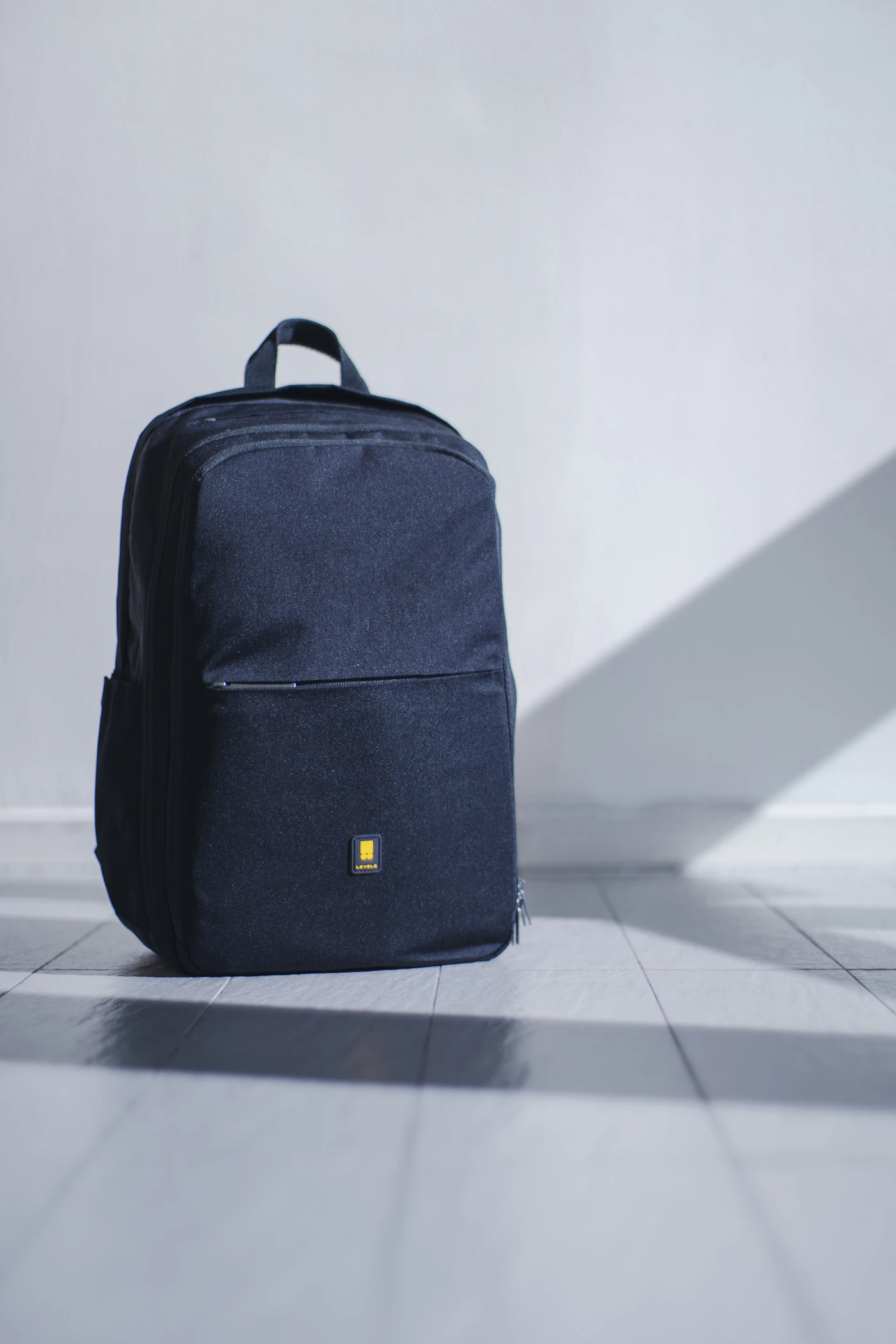
A beach tote has different demands from a daypack for a coastal path. If both activities are planned, see whether an existing bag can cover one of them. Choose secure storage for essentials and a material you can clean after contact with sand or damp gear.
Compare towels by packed size and care as well as softness. A large plush towel can be comfortable but bulky on public transport. Confirm what the accommodation provides before buying one specifically for a short trip, and plan how wet items will travel home.
An outer layer should suit the forecast and the exposure of the planned route. Wind can change how comfortable a mild day feels, while a long path may offer limited shelter. Choose appropriate protection rather than treating a decorative overshirt as weather equipment.
If hiring equipment or booking an activity, read the provider’s current terms and cancellation guidance. Check what is included and what you must bring. Avoid buying specialized gear before confirming the activity, particularly when local conditions could change the plan.
The evening-before checklist
- Recheck the forecast and adjust the outer layer accordingly.
- Confirm arrival instructions and the final route to your accommodation.
- Save reservations and essential contact information offline.
- Check baggage rules for the exact service you will use.
- Leave a flexible block in the plan instead of filling every hour.
Common planning questions
What should replace a beach day in bad weather?
Keep one sheltered alternative such as a local gallery, market, or relaxed meal in mind. Confirm current opening information before relying on it. A flexible plan protects the weekend without pressuring anyone into an exposed activity when conditions are unsuitable.
Is the cheapest option always the best value?
Compare the full cost and the time involved. Additional transfers, baggage charges, or a restrictive cancellation policy can change the calculation. A convenient choice may be worth more for a very short visit, while a longer stay can justify traveling farther for a lower accommodation cost.
What makes a trip feel less hurried?
Group activities geographically, choose one priority for each part of the day, and protect time for meals and rest. You can keep a list of optional stops without committing to all of them. Returning home with a few places still unexplored is a reasonable outcome, not a planning failure.
Where to compare options
Use the Patagonia bags and luggage as one starting point for comparing current options. Check each item’s measurements, care guidance, delivery, and return terms before buying. This is an ordinary, untracked retailer link, rather than an affiliate recommendation or evidence of hands-on testing.
Our guides explain how to choose, rather than claim hands-on tests. Check current product details, returns and travel conditions directly before booking or buying. Our editorial approach.