Compare footwear around fit, surfaces, and the outfits you already wear.
In this story
Start with the everyday situationMake the tradeoff deliberatelyMake the fit check more specificA useful fitting-room checklistCommon wardrobe questionsWhere to compare optionsA city day can involve a station staircase, uneven paving, and hours of standing. Shoes should suit those conditions before they suit a photograph. Comfort is individual, so use styling advice as a shortlist rather than a promise that a particular shape will work for every foot.
Start with the everyday situation
Try shoes with the socks or hosiery you plan to wear and follow the brand’s fit guidance. Walk on a clean indoor surface if returns permit. Notice toe room, heel movement, and pressure across the upper. Persistent pressure is a reason to reconsider the size or design rather than relying on a dramatic break-in.
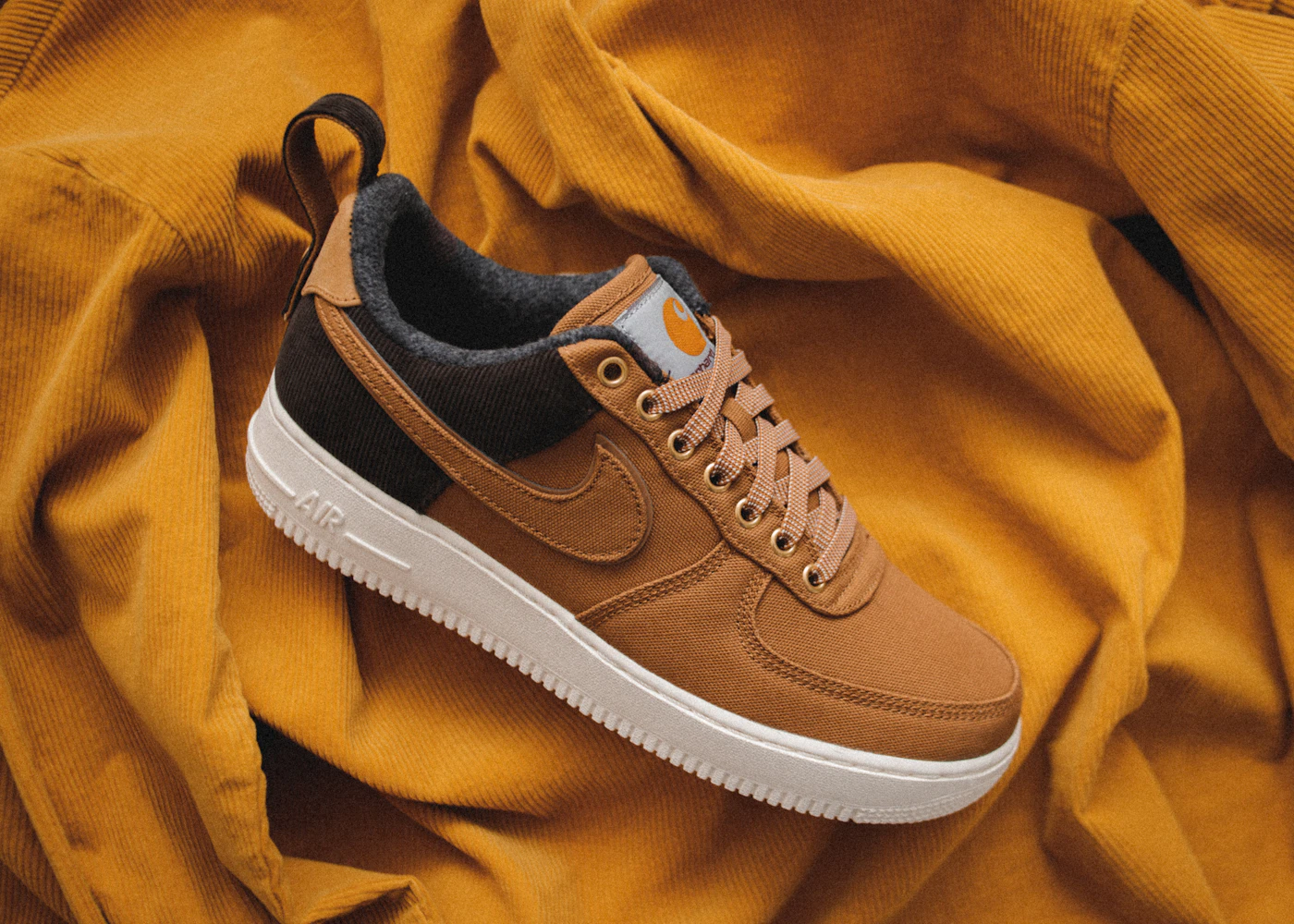
Compare the sole with the expected surfaces. A flexible sneaker may suit a casual itinerary; a more structured shoe can work for office-to-dinner plans. Traction, secure fastening, and the ability to walk naturally matter more than an attractive sole profile. Rain can change which material is practical.
Make the tradeoff deliberately
Choose color by looking at the bottoms you repeat most. A shoe that connects with several trouser and skirt hems is easier to wear often. The hem should clear the ground without requiring a different walking posture. Try the entire outfit so the purchase does not create a chain of other purchases.
Keep care realistic. Smooth leather, suede, canvas, and knit uppers need different cleaning approaches. Check the manufacturer’s instructions before applying a protector or washing a pair. If foot pain persists or footwear needs relate to a medical condition, seek individualized advice rather than relying on a shopping guide.
Make the fit check more specific
The shoe should stay secure without a grip from your toes or an exaggerated walking motion. Compare the fit on both feet, since they may differ. Follow the retailer’s indoor try-on conditions and keep the soles clean until the decision is made.
A strap or lace system can offer adjustment, but check where it applies pressure. Decorative buckles are less useful if they cannot accommodate the socks you intend to wear. Try fastening the shoe while seated and notice whether adjustment is straightforward before choosing it for travel.
Think about the day after rain as well as the day of rain. Some uppers need time to dry, which may make a second familiar pair useful on a longer trip. Follow the care instructions and avoid forcing drying with heat that the manufacturer does not recommend.
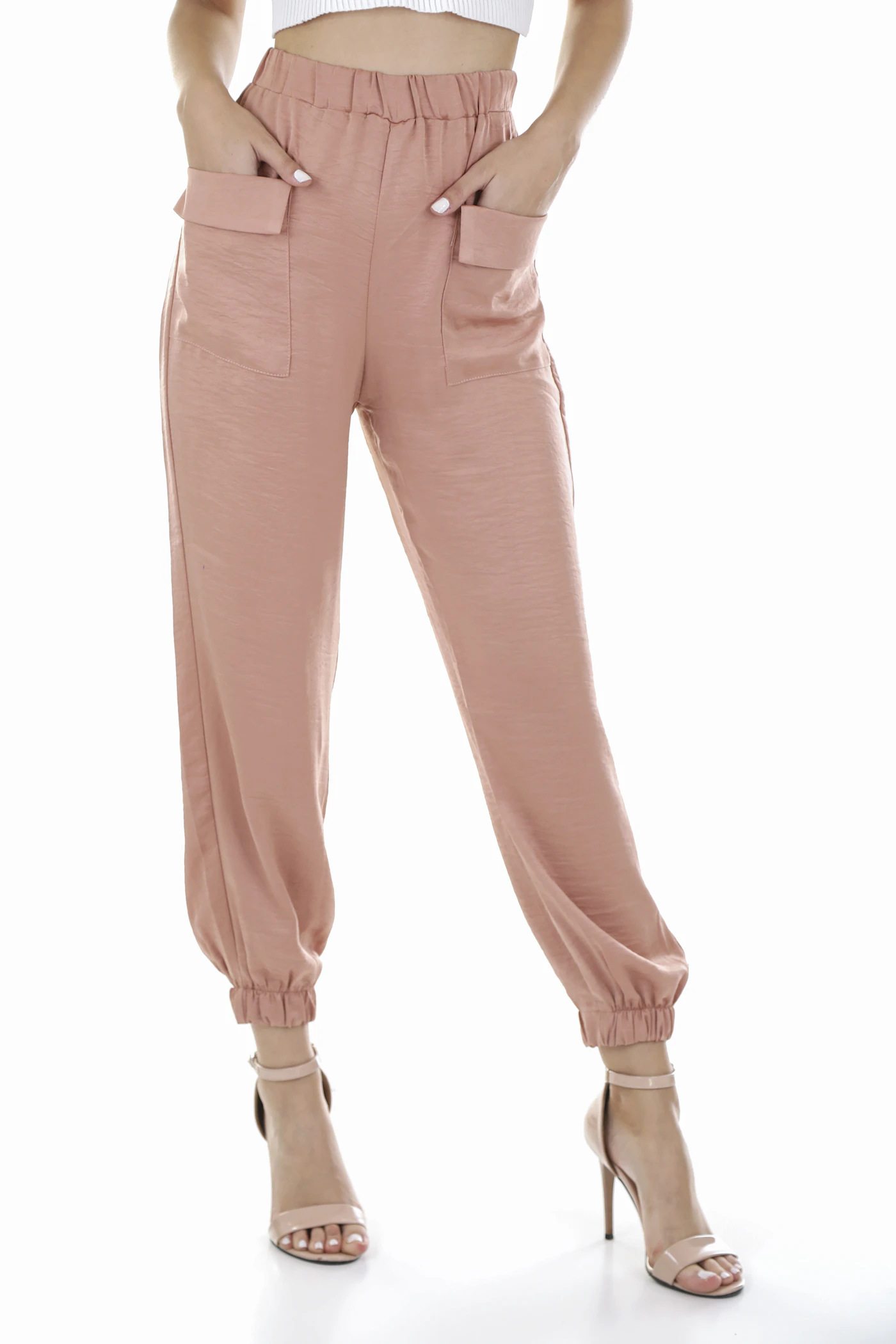
Compare the shoe with full-length trousers and cropped hems before purchasing. A slightly different sole profile can change the apparent length of the outfit. Choosing footwear that works with existing clothes keeps a practical purchase from becoming an excuse to replace several other pieces.
A useful fitting-room checklist
- Bring or wear the underlayers the garment actually needs.
- Compare the fit while moving as well as while standing still.
- Check closures, pockets, seams, and any lining.
- Confirm that care requirements fit your usual routine.
- Name three occasions when you would wear the piece this month.
Common wardrobe questions
Should a tight pair simply be broken in?
Do not assume persistent pressure will disappear. Reassess the size, width, or design while returns remain possible. A shoe chosen for hours of walking should let you move naturally from the start rather than depend on an uncertain improvement.
When is it worth spending more?
Consider frequency of use, fit, construction, and repairability. A higher price is not proof of quality. Examine the details and compare care requirements. Spend more when a clear improvement matters to your daily use and the purchase fits your budget without relying on optimistic wear calculations.
How can an outfit feel personal?
Repeat a detail you enjoy: a particular color, a familiar silhouette, or a small accessory with meaning. You do not need a new trend for every outing. Keeping one recognizable element often makes practical clothes feel more intentional while allowing the rest of the outfit to adapt to the day.
Where to compare options
Use the Everlane clothing and accessory collections as one starting point for comparing current options. Check each item’s measurements, care guidance, delivery, and return terms before buying. This is an ordinary, untracked retailer link, rather than an affiliate recommendation or evidence of hands-on testing.
Our guides explain how to choose, rather than claim hands-on tests. Check current product details, returns and travel conditions directly before booking or buying. Our editorial approach.