Choose linen shapes and layers around comfort, care, and everyday plans.
In this story
Start with the everyday situationMake the tradeoff deliberatelyChoose linen by construction as well as fiberA useful fitting-room checklistCommon wardrobe questionsWhere to compare optionsLinen suits a relaxed approach to dressing, but it asks for different expectations from crisp tailoring. Creasing is part of its appearance. If a perfectly smooth garment is essential to your day, another fabric may be easier. If softness and an informal finish appeal, the right shape can make linen especially useful.
Start with the everyday situation
Begin with a shirt or an easy pair of trousers rather than an entire matching set. A shirt works open over a tank or buttoned with denim, giving you several ways to judge its usefulness. Check whether light colors become sheer in strong daylight and choose underlayers accordingly.
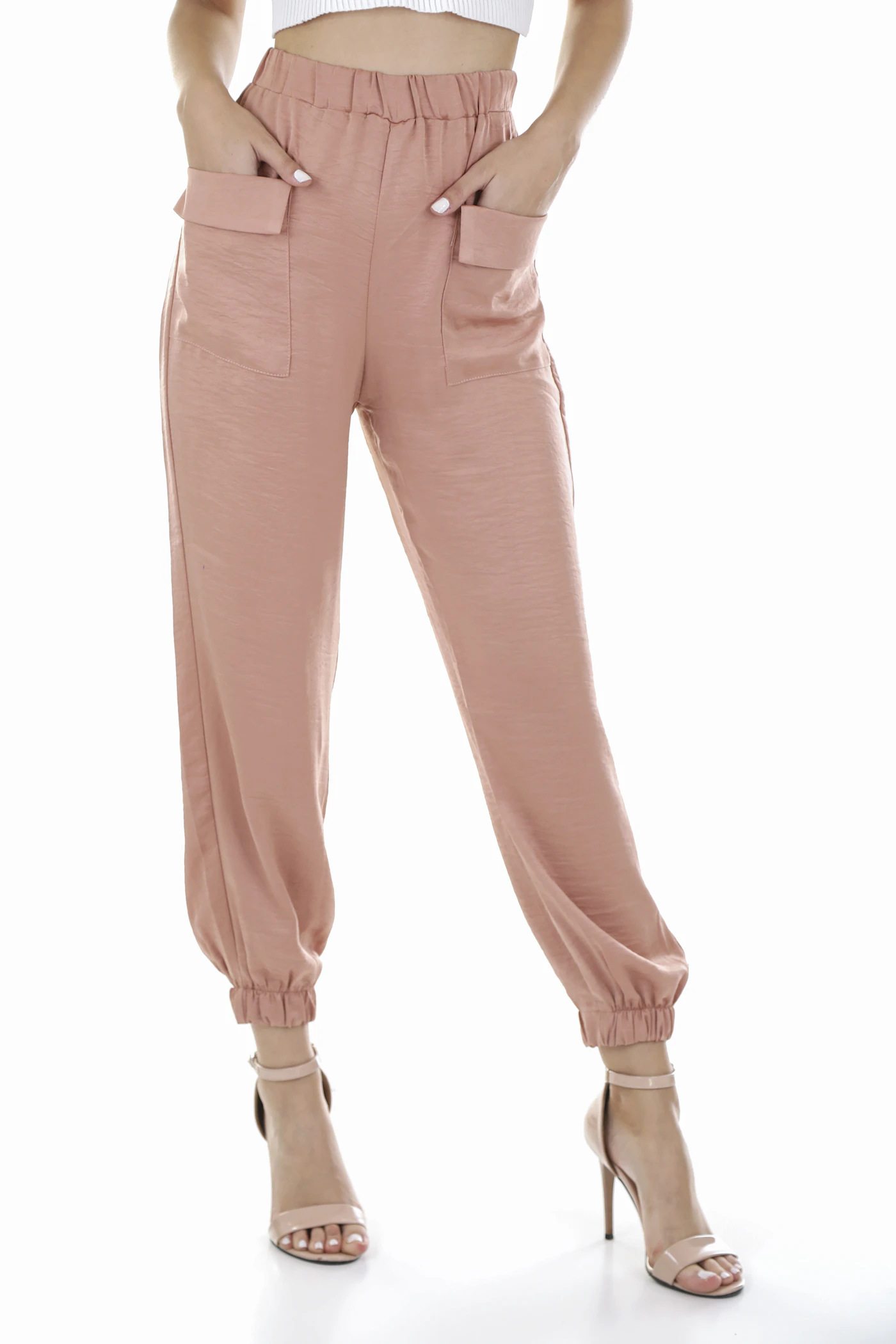
For trousers, compare the waistband construction and pocket placement. Elastic can make fit more forgiving, while a flat front looks more tailored. Sit down and check the rise, then walk to see whether the leg length catches under your heel. A hem alteration can improve a good pair more than an accessory.
Make the tradeoff deliberately
Read care instructions before buying. Some garments can be washed at home; others require more involved care because of linings or construction. Do not assume all linen blends behave alike. A blend may change the drape or crease pattern, but the product’s actual care label should guide the decision.
Use contrast to give a relaxed fabric structure. A simple leather belt, a woven bag with a defined shape, or a neat sandal can help. Keep the outfit comfortable enough that you are not adjusting it all afternoon. Natural texture carries much of the visual interest already.
Choose linen by construction as well as fiber
For a linen shirt, examine the button spacing and whether the front pulls when you sit or reach. A relaxed shape should still feel deliberate at the shoulders and cuffs. Compare the sleeve length with the way you intend to wear it, including rolled sleeves.
Light trousers benefit from a daylight transparency check. Look at the pocket bags and seams as well as the main fabric. If an additional lining or underlayer is necessary, consider how that changes comfort and whether the garment still suits the planned weather.
A drawstring waist gives adjustment but may create bulk beneath a tucked top. A fixed waist can look cleaner but needs a more precise fit. Choose according to the outfit rather than treating one construction as universally better. Check that the pockets remain flat during movement.
If a matching set appeals, confirm that both pieces are useful separately. A shirt that works with jeans and trousers that pair with a plain knit extend its role. Otherwise a set may become an outfit for one narrow situation, despite taking two spaces in the wardrobe.
A useful fitting-room checklist
- Bring or wear the underlayers the garment actually needs.
- Compare the fit while moving as well as while standing still.
- Check closures, pockets, seams, and any lining.
- Confirm that care requirements fit your usual routine.
- Name three occasions when you would wear the piece this month.
Common wardrobe questions
Should linen look perfectly pressed all day?
That is usually an unhelpful expectation for a fabric associated with visible creasing. Choose a shape you enjoy when it looks relaxed. If your occasion requires a consistently crisp finish, compare other fabrics instead of fighting the garment throughout the day.
When is it worth spending more?
Consider frequency of use, fit, construction, and repairability. A higher price is not proof of quality. Examine the details and compare care requirements. Spend more when a clear improvement matters to your daily use and the purchase fits your budget without relying on optimistic wear calculations.
How can an outfit feel personal?
Repeat a detail you enjoy: a particular color, a familiar silhouette, or a small accessory with meaning. You do not need a new trend for every outing. Keeping one recognizable element often makes practical clothes feel more intentional while allowing the rest of the outfit to adapt to the day.
Where to compare options
Use the Everlane clothing and accessory collections as one starting point for comparing current options. Check each item’s measurements, care guidance, delivery, and return terms before buying. This is an ordinary, untracked retailer link, rather than an affiliate recommendation or evidence of hands-on testing.
Our guides explain how to choose, rather than claim hands-on tests. Check current product details, returns and travel conditions directly before booking or buying. Our editorial approach.