Build a Paris itinerary with neighborhood walks, realistic travel time, and room to pause.
In this story
Start with the everyday situationMake the tradeoff deliberatelySpend on location before extra luggageThe evening-before checklistCommon planning questionsWhere to compare optionsA short Paris visit becomes more enjoyable when the itinerary has fewer competing centers. Instead of crossing the city repeatedly, choose one neighborhood for each half-day and leave room for a long lunch or an unexpected shop. The reward is a trip that feels like time spent somewhere rather than a checklist.
Start with the everyday situation
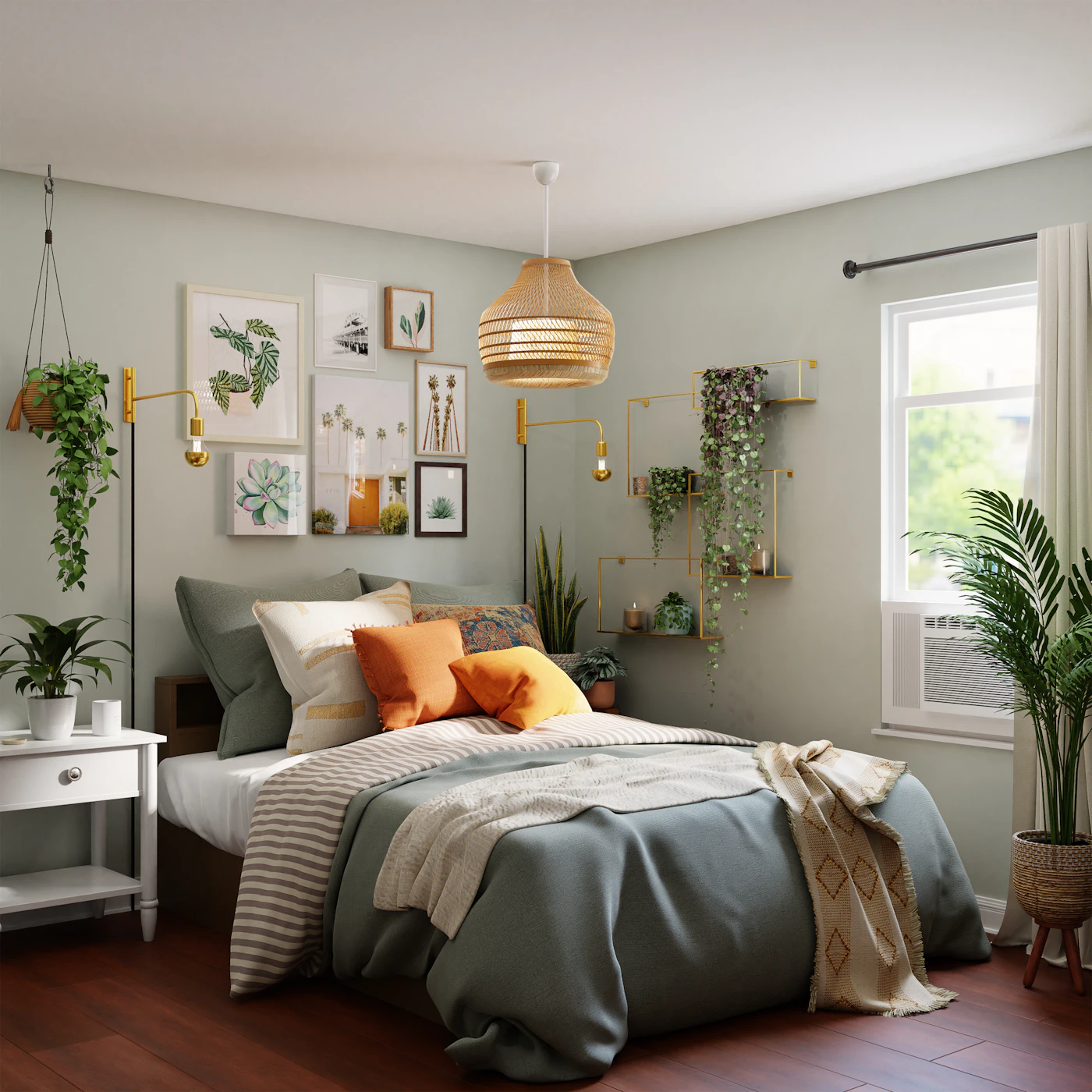
Choose accommodation by the journeys you will repeat: arrival, departure, and the areas where you plan to spend evenings. A lower room rate can lose its appeal if every outing requires a long connection. Check the exact address, cancellation terms, and access arrangements on the property’s official information before booking.
Group a museum visit with nearby streets rather than another major attraction across town. If a timed reservation is needed, use the institution’s own website to confirm the current rules. Plan a flexible outdoor walk around it. That way a delayed lunch does not unravel the entire afternoon.
Make the tradeoff deliberately
Pack shoes for the distance you intend to walk and a layer appropriate to the current forecast. A small secure bag is easier to manage in busy spaces than a large open tote. Keep copies of essential reservations available offline. Do not build a route that depends on constant mobile data.
Choose one memorable meal to organize in advance and leave other meals flexible. Read current menus and booking conditions directly with the venue. A cafe break can be part of the plan rather than a gap in it. Give yourself permission to stay in a neighborhood when it is working well.
Spend on location before extra luggage
Mark the accommodation and your two main daily destinations on a map. Check the practical transport links using the operator’s current information. A room near a useful connection can be more valuable than a larger room that adds complicated transfers to every outing.
For museum plans, confirm timed-entry requirements directly with the institution. Allow time to arrive without rushing, and avoid booking another fixed activity immediately afterward. A flexible neighborhood walk gives the day shape without forcing you to leave an exhibition before you are ready.
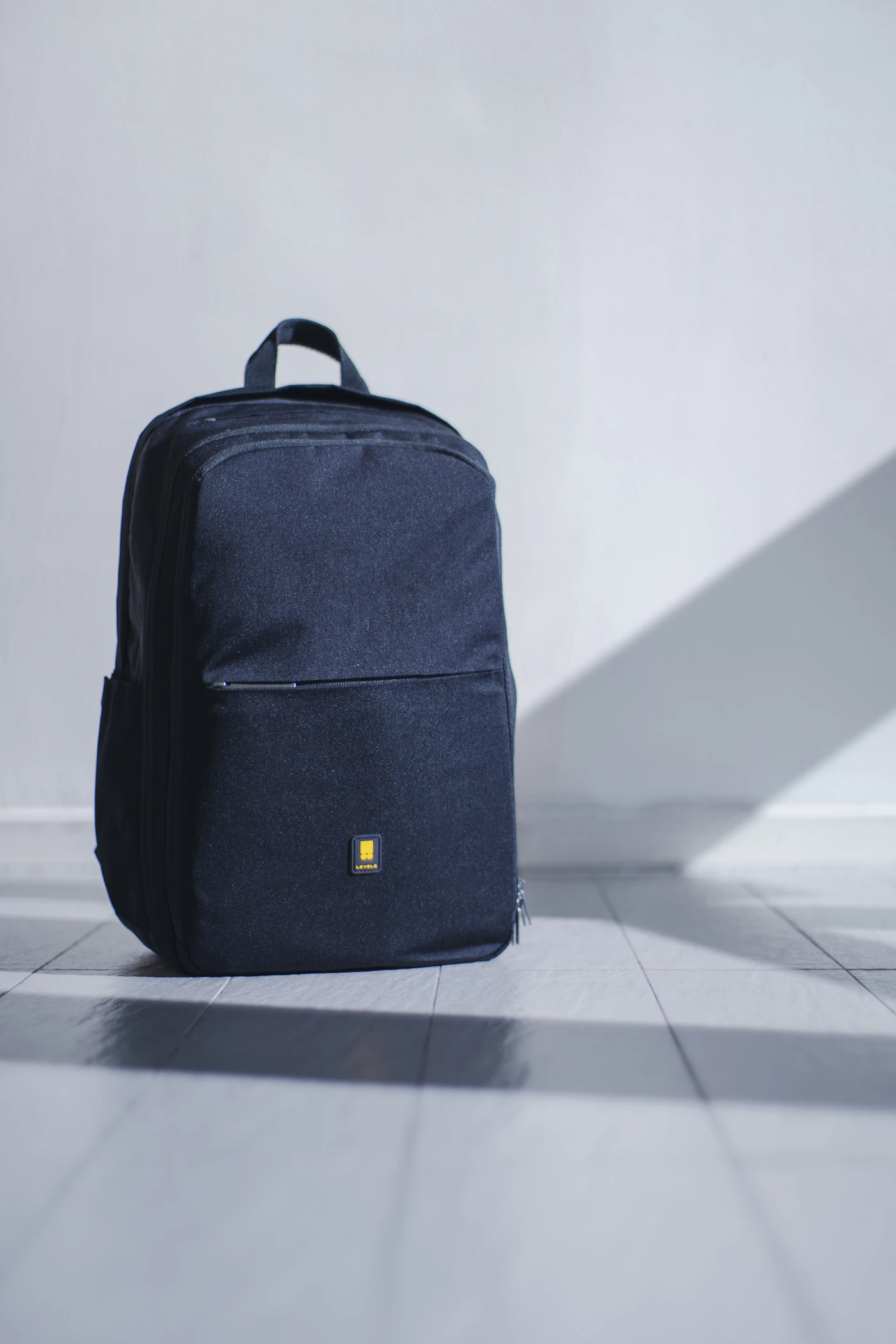
Choose a day bag with a secure closure and enough room for a layer. Do not buy a large tote just for the trip if it encourages carrying unnecessary weight. Check venue bag policies for the places you have booked and keep essential documents accessible.
A guidebook or offline map can reduce dependence on mobile reception, but it should match the way you like to explore. Save a short list of places by neighborhood rather than dozens of scattered recommendations. Check current venue information directly before building a day around any one stop.
The evening-before checklist
- Recheck the forecast and adjust the outer layer accordingly.
- Confirm arrival instructions and the final route to your accommodation.
- Save reservations and essential contact information offline.
- Check baggage rules for the exact service you will use.
- Leave a flexible block in the plan instead of filling every hour.
Common planning questions
How many major sights fit into a weekend?
That depends on travel time and how long you want to spend at each. Choose a short priority list and group nearby stops. One well-paced museum visit with a neighborhood walk can be more satisfying than several hurried entries across the city.
Is the cheapest option always the best value?
Compare the full cost and the time involved. Additional transfers, baggage charges, or a restrictive cancellation policy can change the calculation. A convenient choice may be worth more for a very short visit, while a longer stay can justify traveling farther for a lower accommodation cost.
What makes a trip feel less hurried?
Group activities geographically, choose one priority for each part of the day, and protect time for meals and rest. You can keep a list of optional stops without committing to all of them. Returning home with a few places still unexplored is a reasonable outcome, not a planning failure.
Where to compare options
Use the Patagonia bags and luggage as one starting point for comparing current options. Check each item’s measurements, care guidance, delivery, and return terms before buying. This is an ordinary, untracked retailer link, rather than an affiliate recommendation or evidence of hands-on testing.
For destination planning, consult the official Paris tourist office and the individual venues for current booking information.
Our guides explain how to choose, rather than claim hands-on tests. Check current product details, returns and travel conditions directly before booking or buying. Our editorial approach.