Build a useful lighting plan for reading, cooking, and unwinding.
In this story
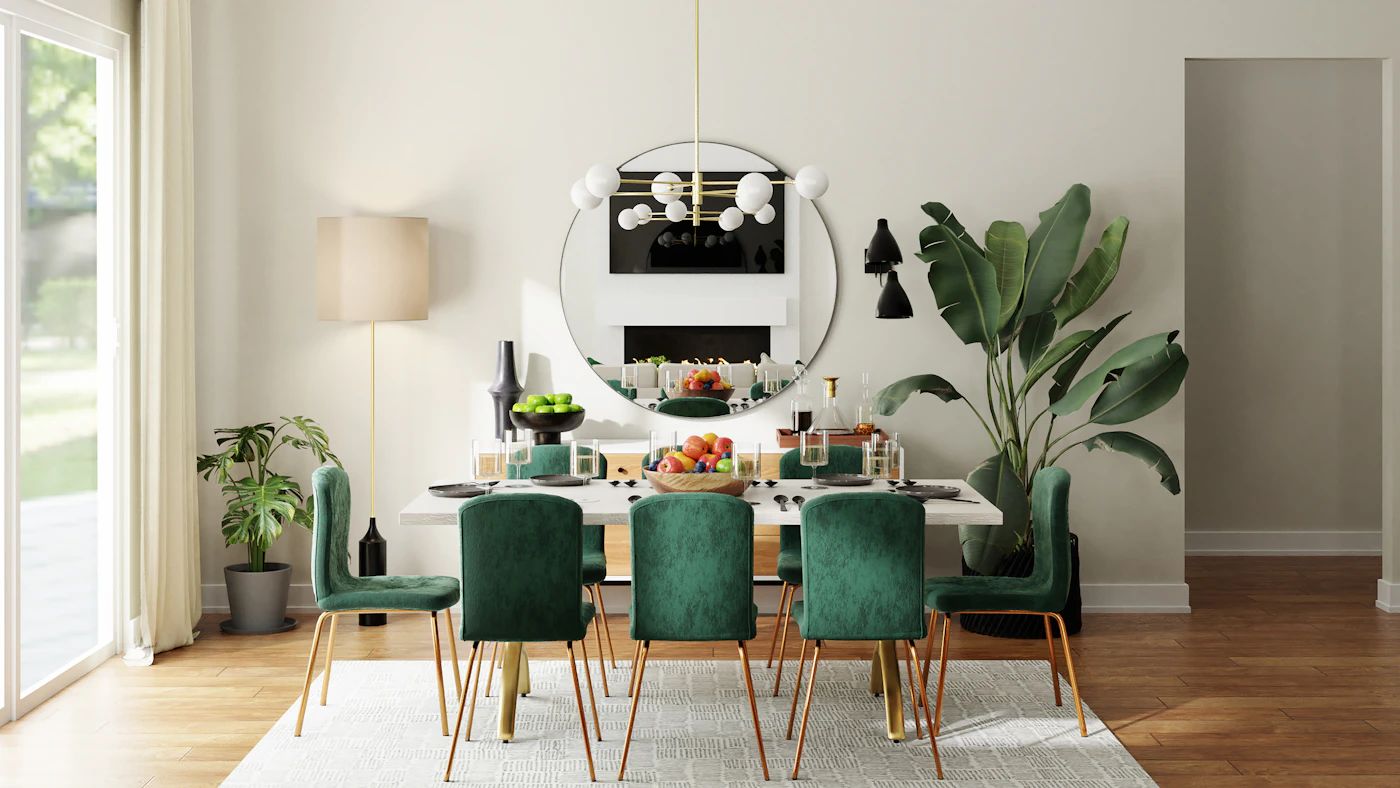
Start with the everyday situationMake the tradeoff deliberatelyCompare the whole lighting systemBefore you orderQuestions worth askingWhere to compare optionsOne bright ceiling light is convenient for finding a lost earring, but it rarely suits every activity. Lighting becomes easier to plan when each source has a defined job. Think about preparing food, reading a page, seeing a face across a table, and moving safely through the room after dark.
Start with the everyday situation
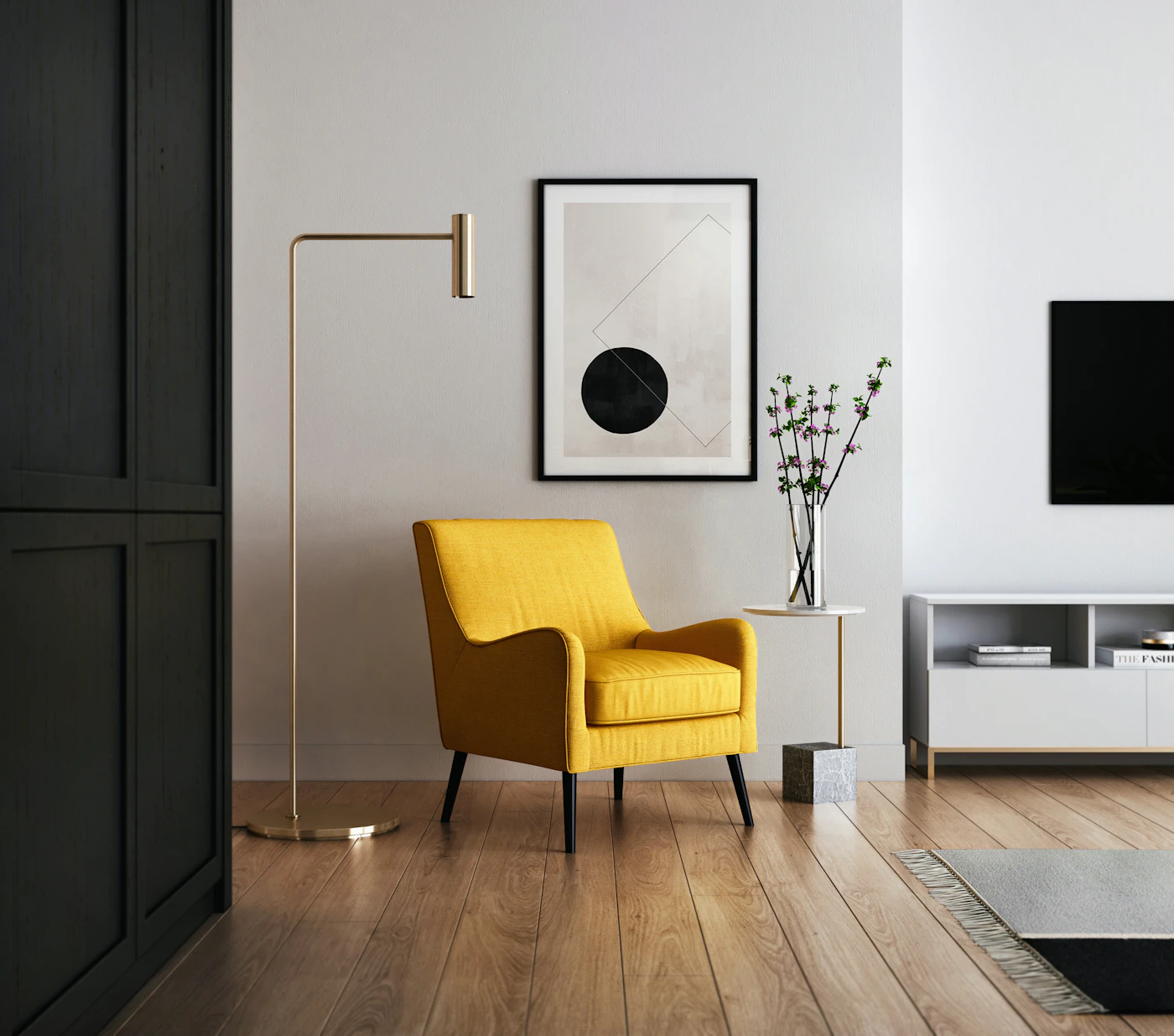
Start by noticing shadows. A kitchen ceiling light behind your shoulders may leave the counter darker precisely where you work. A reading lamp across the room may brighten the wall without helping the book. Position task light near the activity and check whether the shade controls glare from a seated position.
In shared spaces, use separately controlled lights so different activities can coexist. A table lamp can support conversation while a directional light serves a reader. Check the switch location and cord length before buying. Smart controls are convenient for some households, but an easy physical switch still matters.
Make the tradeoff deliberately
Compare bulbs using the fixture’s stated compatibility, light output, and color appearance. Decorative bulb shapes are not automatically a good match for an enclosed shade. Dimming works only when the bulb, fixture, and dimmer are compatible. Consult product guidance rather than assuming every LED behaves the same way.
A lighting plan should include the ordinary route from the bedroom to the bathroom. Low-level light can be helpful where overhead light feels harsh. Keep cords out of walkways and avoid improvised electrical modifications. Hardwired changes belong with a qualified professional and the applicable local requirements.
Compare the whole lighting system
A fixture listing should explain the permitted bulb type, socket, and maximum rating. Check those details before buying decorative bulbs. The bulb must fit physically as well as electrically, and an enclosed shade can have compatibility requirements that an open fixture does not.
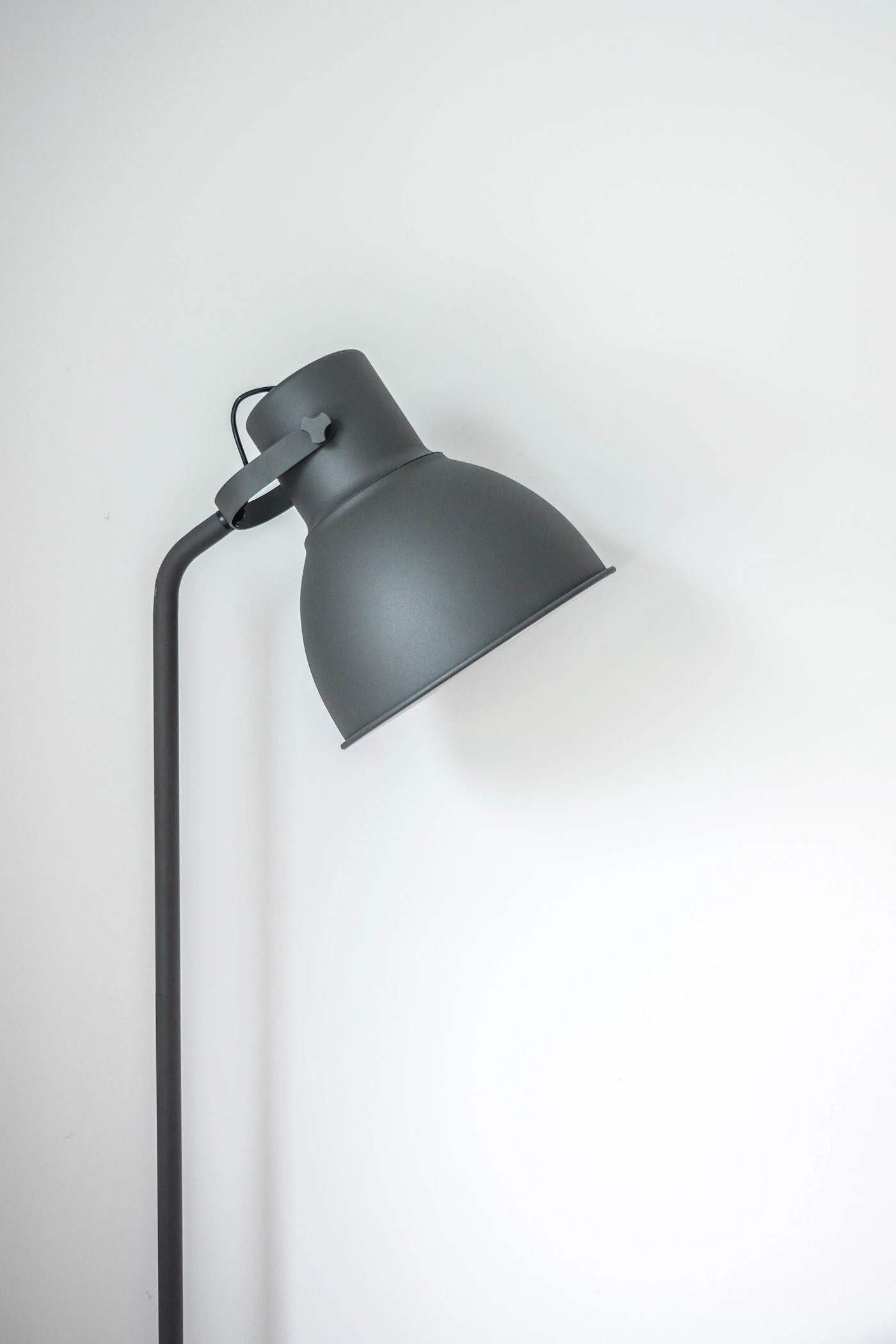
For task lamps, compare the range of adjustment and whether the head stays where it is placed. A longer arm can reach a desk corner but needs a suitable base or clamp. Check the attachment surface thickness if considering a clamp-mounted design.
Dimming should be planned as a compatible combination rather than an automatic feature. Read the bulb and dimmer manufacturer guidance, particularly when an existing wall control is involved. If a hardwired change is needed, include professional installation in the budget from the beginning.
A rechargeable lamp can work where an outlet is inconvenient, but charging becomes part of its routine. Look for clearly published operating and charging information rather than assuming it replaces a plugged-in task light. Consider where it will charge without creating another crowded surface.
Before you order
- Measure the available space and the route from the entrance.
- Check the full product dimensions, including handles or projecting parts.
- Match the care instructions to the time and equipment you have.
- Read delivery, return, and assembly conditions for the actual item.
- Decide where the replaced item will go before bringing something new home.
Questions worth asking
Can a table lamp replace overhead lighting?
It can support some activities, but consider the entire room and the route through it. Cleaning or finding objects may require broader light than a shaded lamp provides. Several separately controlled sources usually offer more flexibility than relying on one fixture.
What deserves the biggest share of the budget?
Prioritize the piece you touch or use most often and any work needed to install it correctly. Decorative extras can wait. If the main problem is layout, test a rearrangement before buying: a different position can sometimes provide the improvement you expected from a new object.
How do you avoid a rushed purchase?
Save the measurements, compare two or three plausible options, and leave the decision overnight when possible. A sale should not override the original requirement. If none of the options fits the room and the routine, keep looking rather than accepting a compromise that creates another problem.
Where to compare options
Use the IKEA lighting collection as one starting point for comparing current options. Check each item’s measurements, care guidance, delivery, and return terms before buying. This is an ordinary, untracked retailer link, rather than an affiliate recommendation or evidence of hands-on testing.
Our guides explain how to choose, rather than claim hands-on tests. Check current product details, returns and travel conditions directly before booking or buying. Our editorial approach.