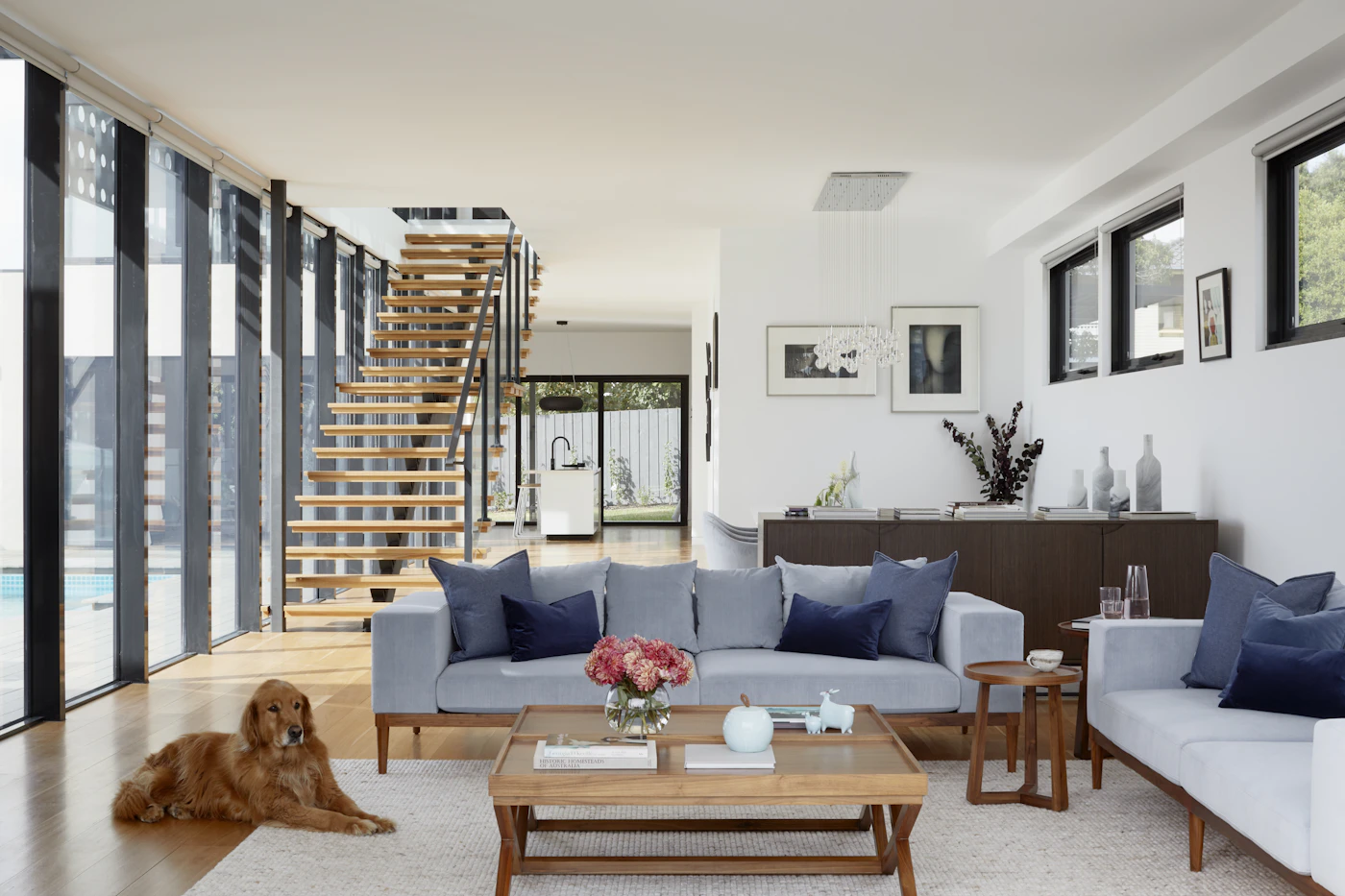
Plan seating, storage, and circulation before ordering furniture for a compact room.
In this story
Start with the everyday situationMake the tradeoff deliberatelyCompare the footprint in useBefore you orderQuestions worth askingWhere to compare optionsA small living room feels especially tight when every item is chosen independently. The sofa fits, the chair fits, and the cabinet fits, yet there is no easy route through them. Work backward from movement: entering, reaching a window, opening storage, and sitting down with a drink.
Start with the everyday situation
Draw a simple floor plan with doors, radiators, outlets, and window positions. Then draw the furniture you already own. Tape possible additions on the floor and live around the outlines for a day. A room that looks efficient on paper may feel pinched when someone carries a laundry basket through it.
Choose the seat count honestly. A large sectional can serve a household that watches films together, while a sofa and movable chair offer more flexible conversation seating. Narrow arms can preserve sitting width, but comfort depends on cushion depth and support too. Use the published dimensions as a filter, not a guarantee.
Make the tradeoff deliberately
Consider nesting tables or a small side table where a large central table interrupts the route. Check stability and whether the lower table is accessible once the top one holds a lamp. Rounded edges may ease movement, but a round table with a large footprint can still overwhelm the room.
Put closed storage where clutter actually appears. A cabinet near the entry can be more useful than a larger piece across the room. Measure the space needed to open its doors or drawers. Wall-mounted options require appropriate installation, and any tall furniture should follow its anchoring instructions.
Compare the footprint in use
Furniture dimensions describe a fixed object, but a room must accommodate movement around it. Mark the open position of cabinet doors, recliner mechanisms, and drawers. A compact piece that needs a large operating area may be less practical than a simpler, slightly wider alternative.
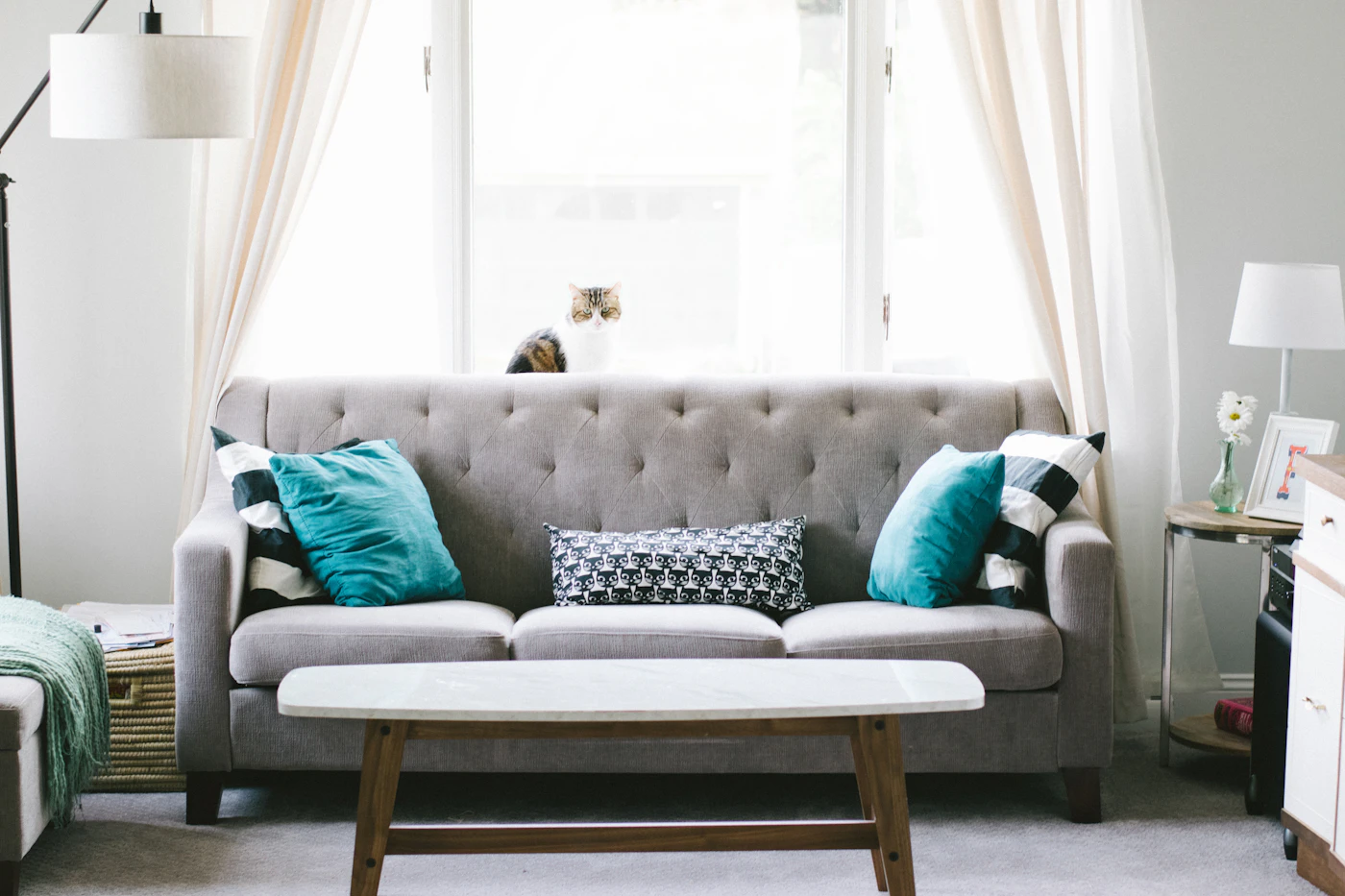
For a sofa, compare sitting width, depth, and overall width separately. Bulky arms can consume space without providing another seat. A shallower silhouette can help circulation, but comfort depends on the person using it; try a similar depth before committing when possible.
Occasional seating should have somewhere to live between visits. A lightweight chair can move easily but still needs a stable place where it does not obstruct the route. Folding seating saves space only if it fits the available storage when folded.
Choose storage for specific contents and keep the heaviest items within convenient reach. A low cabinet may provide a useful surface as well as concealed storage. Tall pieces offer capacity but require appropriate anchoring; follow installation guidance rather than relying on the furniture’s apparent stability.
Before you order
- Measure the available space and the route from the entrance.
- Check the full product dimensions, including handles or projecting parts.
- Match the care instructions to the time and equipment you have.
- Read delivery, return, and assembly conditions for the actual item.
- Decide where the replaced item will go before bringing something new home.
Questions worth asking
Should furniture always sit against the walls?
No. A small gap or a different angle can sometimes make circulation clearer, but it depends on the room. Test positions using existing furniture before ordering anything. Keep doorways, windows, heaters, and storage access usable throughout the arrangement.
What deserves the biggest share of the budget?
Prioritize the piece you touch or use most often and any work needed to install it correctly. Decorative extras can wait. If the main problem is layout, test a rearrangement before buying: a different position can sometimes provide the improvement you expected from a new object.
How do you avoid a rushed purchase?
Save the measurements, compare two or three plausible options, and leave the decision overnight when possible. A sale should not override the original requirement. If none of the options fits the room and the routine, keep looking rather than accepting a compromise that creates another problem.
Where to compare options
Use the IKEA storage and organization as one starting point for comparing current options. Check each item’s measurements, care guidance, delivery, and return terms before buying. This is an ordinary, untracked retailer link, rather than an affiliate recommendation or evidence of hands-on testing.
Our guides explain how to choose, rather than claim hands-on tests. Check current product details, returns and travel conditions directly before booking or buying. Our editorial approach.